

Most technical white papers are digital sedatives. They’re dense, jargon-heavy, and fail to connect with readers on a human level. As a sales engineer working with technical components like sensors, actuators, or semiconductors, you understand your customers’ challenges better than anyone. Yet when it comes to generating high-quality technical white papers, that expertise often gets lost in translation. This comprehensive guide provides a practical, AI-enhanced framework to create technical white papers that don’t just inform—they sell.
Key Takeaway: The most effective technical white papers bridge the gap between complex engineering solutions and real-world business value.
Why Your Current Technical White Papers Are Failing (And How to Fix It)
Before diving into solutions, let’s diagnose the core problems plaguing most technical white papers in the B2B space. Understanding these failures is crucial for generating high-quality technical white papers that actually convert prospects into customers.
You’re Writing for the Wrong Audience
The biggest mistake in technical white paper creation is assuming all readers have the same knowledge level and priorities. A white paper targeting automotive engineers should differ significantly from one aimed at medical device manufacturers. Each vertical market has unique pain points, regulations, and application requirements that must be addressed specifically.
Consider this scenario: You’re selling pressure sensors to both automotive and medical device OEMs. The automotive engineer cares about temperature stability and vibration resistance for engine applications. The medical device engineer focuses on biocompatibility and FDA compliance for patient monitoring systems. One generic white paper cannot effectively address both audiences.
You’re Focusing on Features Instead of Market Applications
Technical specifications matter, but they’re not what drives purchasing decisions. Your customers don’t buy sensors—they buy solutions to specific application challenges. Instead of listing technical parameters, focus on how your components solve real problems across different vertical markets.
Key Takeaway: Transform feature lists into application-specific value propositions that resonate with each target market.
You’re Ignoring the Buyer’s Journey Across Market Segments
Different industries and applications represent different stages of the buyer’s journey. Some markets may be early adopters exploring new technologies, while others are mature markets seeking optimization. Your white paper content must align with where each market segment stands in their adoption lifecycle.
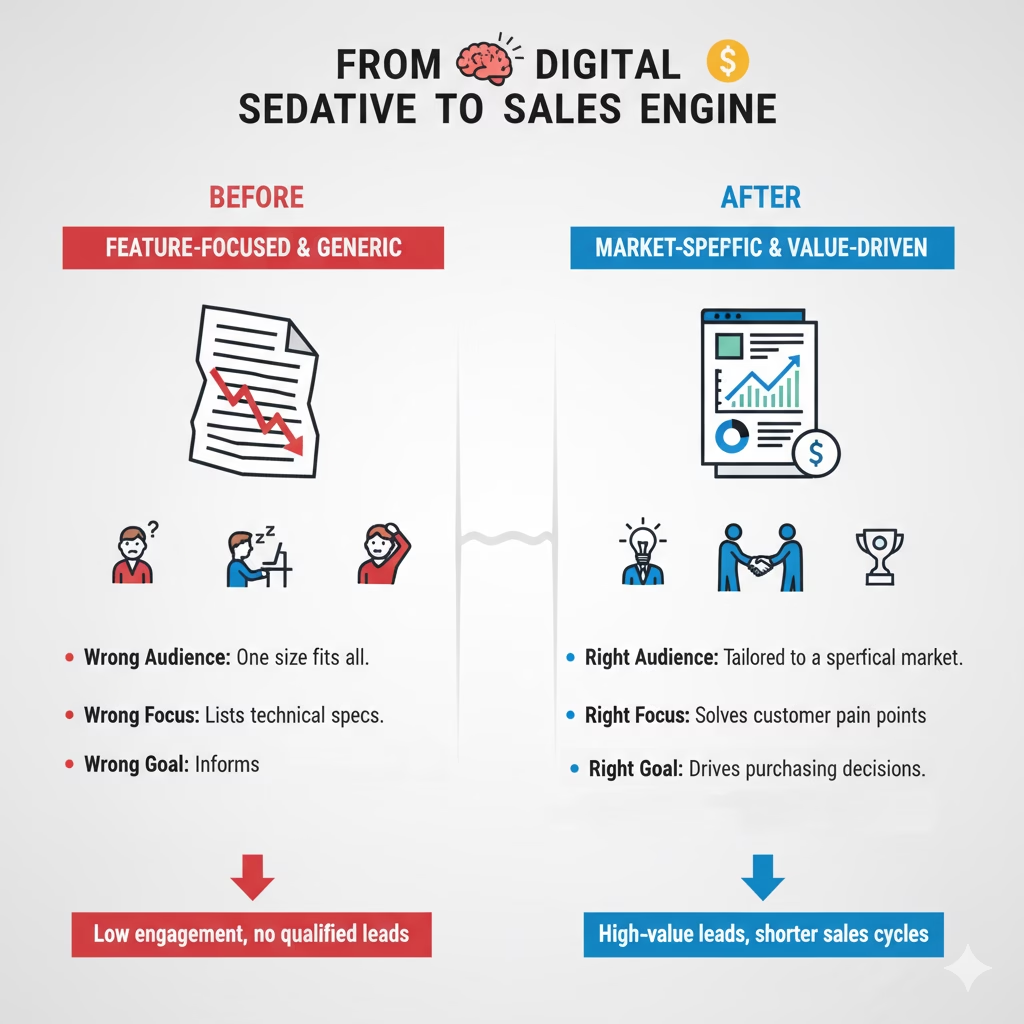
The Modern Framework for Generating High-Quality Technical White Papers
This four-step framework transforms technical expertise into compelling content that drives sales across multiple market verticals.
Step 1: Map Customer Pain Points Across Vertical Markets
Effective technical white papers start with deep market understanding. Don’t just identify generic problems—uncover the specific challenges each vertical market faces. Industrial automation customers struggle with predictive maintenance and system integration. Automotive OEMs focus on cost reduction and regulatory compliance. Medical device manufacturers prioritize patient safety and regulatory approval timelines.
Create a comprehensive pain point matrix that maps your technical solutions to specific market challenges. This becomes the foundation for generating high-quality technical white papers that speak directly to each audience’s priorities.
Step 2: Craft Market-Specific Narratives
Once you understand market-specific pain points, develop narratives that resonate with each vertical. Your story should position the customer as the hero facing industry-specific challenges, with your technical solution serving as the guide that enables success.
For example, when addressing industrial IoT applications, frame your narrative around digital transformation challenges. When targeting medical applications, focus on patient outcome improvements and regulatory compliance. Each narrative should feel native to that market’s language and priorities.
Key Takeaway: Successful technical white papers don’t just present information—they tell market-relevant stories that drive action.
Step 3: Structure Content for Maximum Market Impact
High-quality technical white papers follow a proven structure that guides readers from problem recognition to solution adoption:
Executive Summary: Present the market challenge and your solution’s value proposition in terms relevant to that specific vertical.
Market Context: Establish the broader industry trends and regulatory environment affecting your target market.
Technical Challenge Analysis: Deep-dive into the specific technical problems your audience faces, using industry-standard terminology and metrics.
Solution Framework: Present your technical approach with clear connections to business outcomes and market advantages.
Implementation Roadmap: Provide actionable steps for adoption, addressing common market-specific concerns and barriers.
ROI Analysis: Quantify the business impact using metrics that matter to your target market.
Step 4: Write with Technical Authority and Market Credibility
Your writing must demonstrate both technical competence and market understanding. Use precise technical language when discussing specifications, but translate everything into business impact. Include relevant industry standards, regulatory requirements, and market benchmarks that establish credibility with your target audience.

Leveraging AI for High-Quality Technical White Paper Generation
Modern AI tools can significantly accelerate the process of generating high-quality technical white papers without sacrificing quality or authenticity. The key is using AI strategically rather than as a replacement for domain expertise.
AI-Powered Market Research and Analysis
Use AI to rapidly analyze market trends, competitive landscapes, and regulatory changes across your target verticals. AI can help identify emerging applications, track technology adoption patterns, and synthesize complex market data into actionable insights for your white papers.
Content Generation and Optimization
AI excels at creating first drafts based on your technical expertise and market insights. Provide AI with your technical specifications, market research, and target audience profiles to generate structured content that you can then refine with your domain knowledge.
The most effective approach combines AI efficiency with human expertise. Use AI to handle research synthesis and initial drafting, then apply your technical knowledge and market understanding to ensure accuracy and relevance.
Quality Assurance and Technical Validation
AI can help identify inconsistencies, check technical accuracy against industry standards, and ensure your content maintains appropriate technical depth for your target audience. However, final validation should always involve subject matter experts familiar with your specific markets and applications.
Key Takeaway: The most effective technical white papers combine AI efficiency with human expertise and market knowledge.
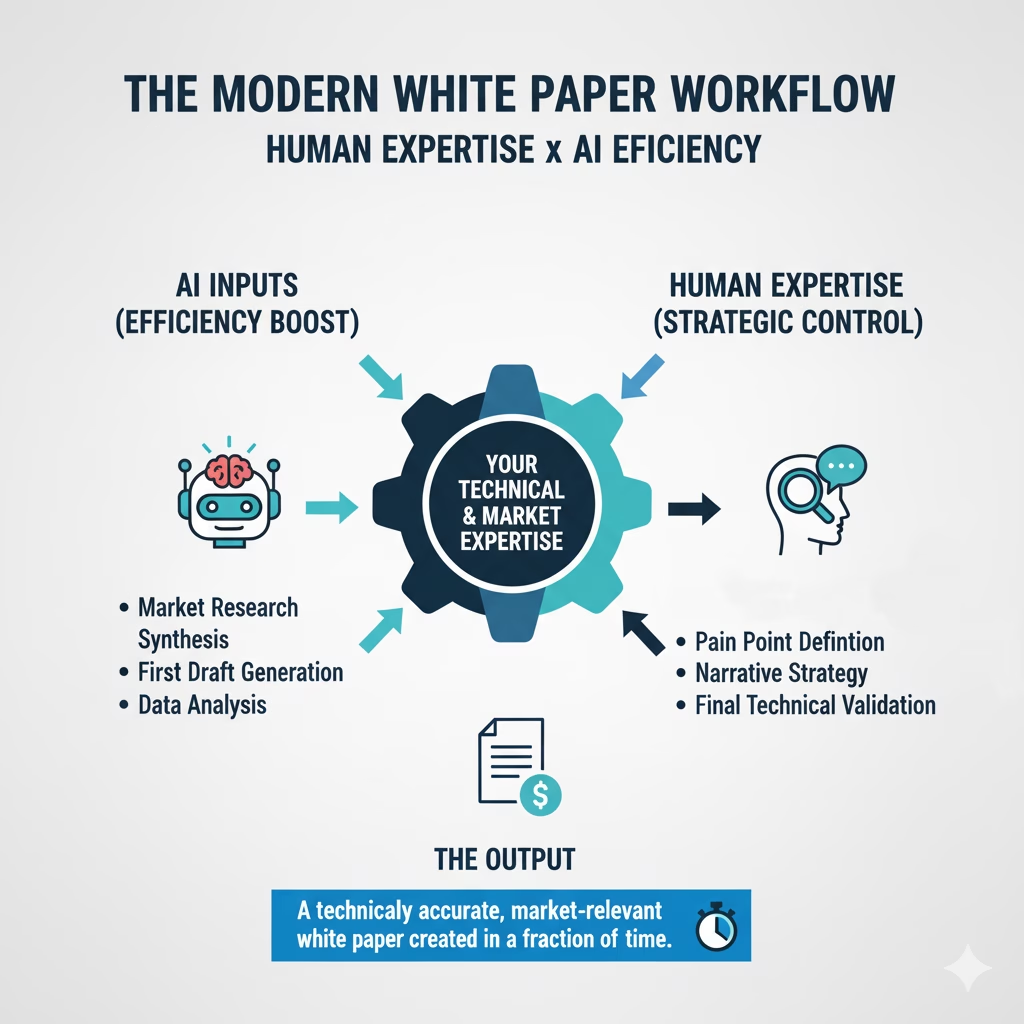
Distribution and ROI Measurement for Technical White Papers
Creating excellent content is only half the battle. Effective distribution and measurement are essential for maximizing the impact of your technical white papers across different market segments.
Market-Specific Distribution Strategies
Different vertical markets consume content through different channels. Industrial automation professionals often engage through trade publications and industry forums. Medical device engineers prefer peer-reviewed sources and regulatory guidance platforms. Automotive engineers follow OEM-specific channels and supplier networks.
Develop distribution strategies tailored to each market’s preferred information sources. This might include industry-specific publications, professional associations, trade shows, and digital platforms where your target audience actively seeks technical information.
Measuring Market Impact and Sales Influence
Track the effectiveness of your technical white papers using market-specific metrics. Monitor lead generation by vertical market, engagement rates across different applications, and conversion patterns for various customer segments.
Use CRM data to correlate white paper engagement with sales progression. Track which content pieces most effectively move prospects through the sales funnel in each target market. This data helps optimize future content creation and distribution strategies.
Advanced Strategies for Technical White Paper Excellence
To truly excel at generating high-quality technical white papers, consider these advanced strategies that separate industry leaders from followers.
Cross-Market Application Analysis
Identify opportunities where solutions developed for one market can address challenges in adjacent markets. This approach not only maximizes content ROI but also helps identify new market opportunities for your technical solutions.
Regulatory and Standards Integration
Incorporate relevant industry standards, regulatory requirements, and compliance considerations into your technical white papers. This demonstrates deep market knowledge and helps customers understand how your solutions fit within their regulatory frameworks.
Future-Proofing Content Strategy
Address emerging trends and future market developments in your technical white papers. This positions your company as a forward-thinking partner and helps customers prepare for upcoming challenges and opportunities.
The Future of Technical Content Marketing
The landscape of technical content marketing continues evolving rapidly. Success requires staying ahead of market trends, technology developments, and customer expectations. Companies that master the art of generating high-quality technical white papers will maintain competitive advantages in increasingly complex B2B markets.
The most successful technical organizations understand that white papers are not just marketing materials—they’re strategic tools for market education, customer development, and competitive differentiation. By focusing on market-specific value creation and leveraging modern content creation tools, you can transform technical expertise into powerful sales enablement assets.
Ready to revolutionize your technical content strategy? Join the GrowthBeaver waitlist and get exclusive access to our AI-powered platform designed specifically for B2B technical component manufacturers. Our tools help you understand vertical market pain points, create targeted content, and accelerate your sales success across multiple market segments.
Frequently Asked Questions
How long should a technical white paper be?
The ideal length for generating high-quality technical white papers is between 2,000 and 3,500 words. This allows for comprehensive coverage while maintaining reader engagement across different market segments.
What makes a technical white paper high-quality?
High-quality technical white papers focus on customer pain points, provide data-driven solutions, use clear structure, and include actionable insights that drive business decisions in specific vertical markets.
How can I measure the ROI of technical white papers?
Track lead generation, conversion rates, sales cycle length, and customer engagement metrics using CRM systems and analytics tools to measure white paper effectiveness across different market segments.
What are the best AI tools for generating technical white papers?
Look for AI tools that specialize in long-form content, offer research integration, citation generation, and maintain consistent technical voice and tone throughout the document.
How often should B2B companies publish technical white papers?
B2B technical companies should aim to generate high-quality technical white papers quarterly, ensuring each addresses specific customer challenges and market opportunities. These white papers can serve as valuable resources, showcasing the company’s expertise and providing actionable insights. By aligning these documents with manufacturing B2B marketing strategies, companies can better position themselves to meet the evolving needs of their clients. Ultimately, this approach not only enhances brand credibility but also fosters stronger relationships within the industry.
What’s the difference between technical white papers and case studies?
Technical white papers focus on industry problems and solutions, while case studies showcase specific customer success stories. Both are essential for comprehensive B2B content strategy.
Author Bio
Stephan is a senior engineer who has been selling high-tech components to OEMs globally for over 15 years. Located in Zurich, Switzerland, he specializes in understanding customer pain points and hidden desires across multiple vertical markets including automotive, industrial automation, and medical devices. His expertise in translating complex technical solutions into market-specific value propositions has helped numerous B2B component manufacturers expand into new applications and accelerate sales growth.

